

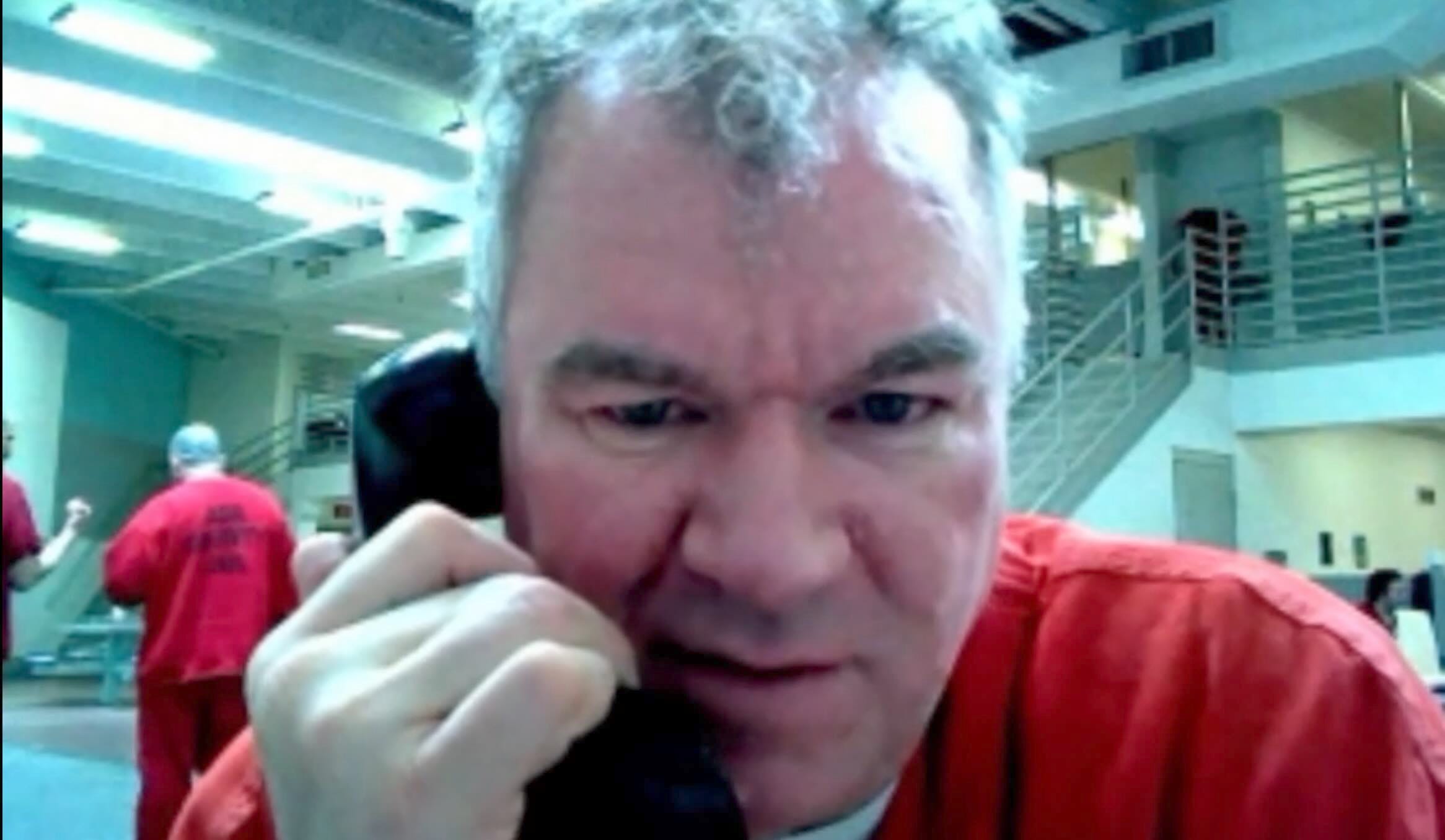
Is Gang Stalking Real, a grueling 17 minute experimental documentary by Theodore Collatos, is a portrait of his friend James, a meth addict. The soundtrack of the film consists mainly of a series of phone calls between Collatos and James, recorded while James is serving a prison sentence, while the visuals are assembled from a wide variety of home videos, photos, old 16mm film projects the two friends worked on together, and video from the prison calls, edited together with disorienting rapidity, a visual chaos which seems to echo the emotional chaos of their turbulent friendship. In Collatos’ narration, he reports that the friendship has broken up and reformed multiple times, but it is also clear that Collatos is extraordinarily loyal to his friend, sticking by him as his addiction leads him to mess up everything in his life and alienate everyone he knows.
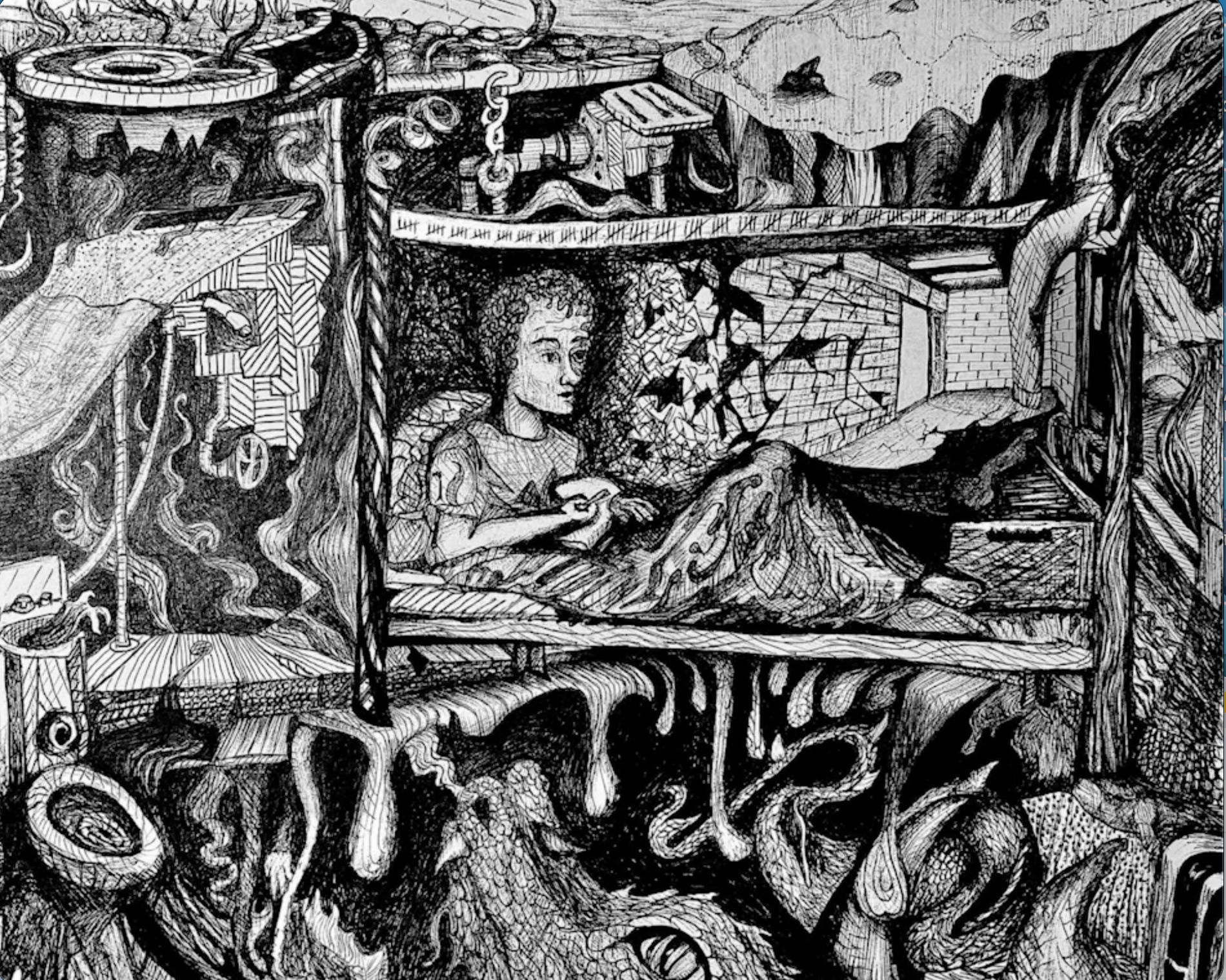
The visual documentation in the film spans a long chunk of James’ life: from pre-teen years to his prison self, a greying, middle-aged guy. James suffers from extreme paranoid delusions, and the film takes its title from the belief, common among meth addicts, they they are victims of an organized plot of torture and surveillance. The debate about the existence of “gang stalking” is part of a larger debate about so-called “targeted individuals,” who believe they are victims of experimental programs by the CIA and other intelligence agencies. The question of whether this victimization is real or imaginary becomes complicated by the fact that such intelligence programs are documented as real and operational, and the technology involved, the ability to broadcast auditory hallucinations into a person’s head or use directed energy to cause bodily harm, is also real and documented, yet many people who claim to be victims present themselves as textbook case examples of delusional disorder. Are they crazy people who imagine they’re being targeted, or are they targeted people who have been driven crazy? The question likely doesn’t have a simple answer, but in the case of James, the details of his delusions are implausible enough that they sound very much like garden variety mental illness. In his case, the question is more about how much did his mental illness drive him to self-medicate with drugs, and how much of his illness is a result of his drug use?
James is a charismatic, funny, vivacious, cat-loving person, and Collatos clings tenaciously to the hope that someday he’ll be able to overcome his problems. But when James doubles down on his typical meth-head stories of people living in his apartment and tormenting him, he becomes a very, very difficult person to love.
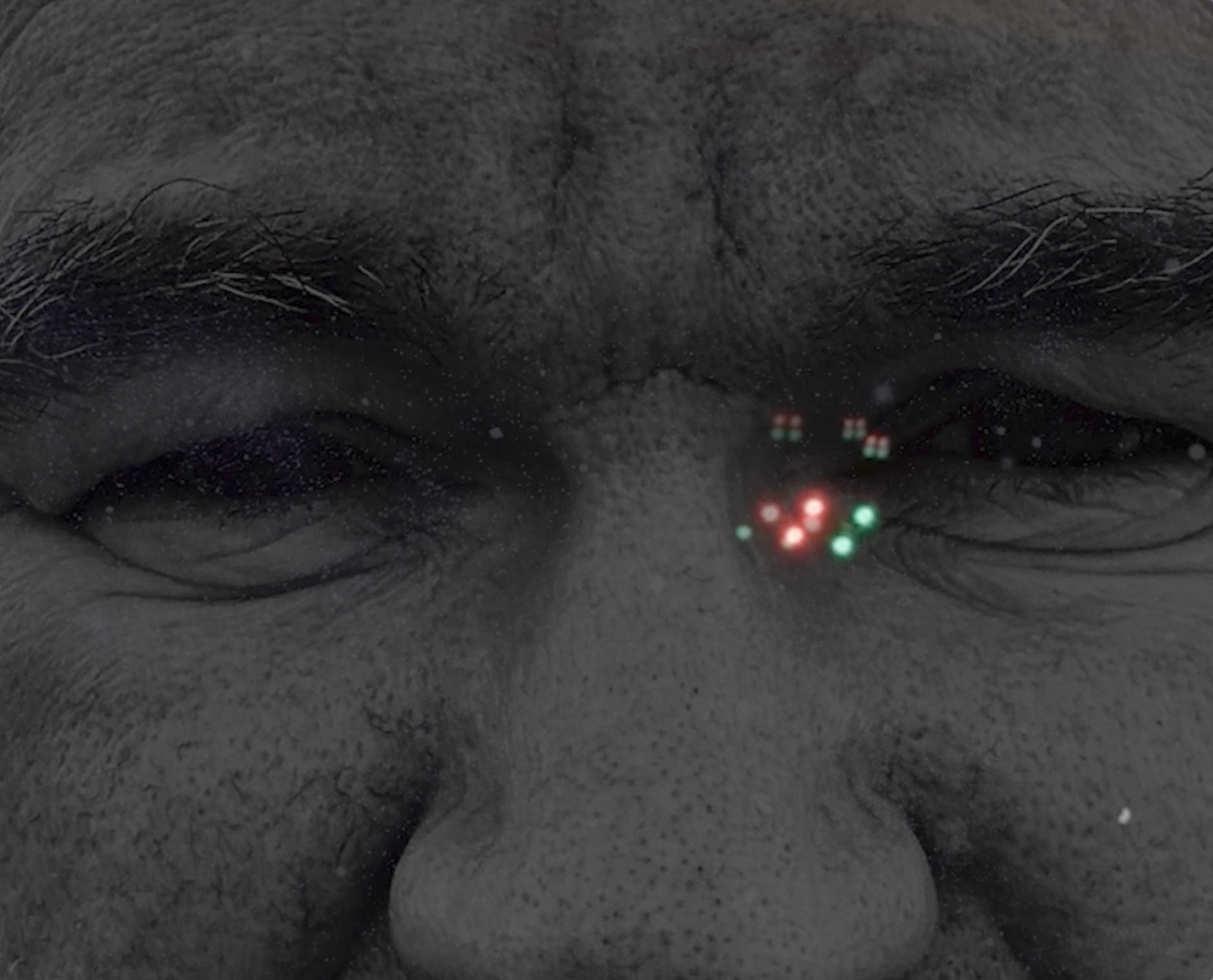
Collatos frequently overlays his footage with gleaming stars, blinking light, glimmering networks of points of light. This effect gives a sense of the sensation of being high on meth: ordinary reality is overlaid with a glittering, attractive unreality. Hidden electronic systems are stalking you, surveilling you, targeting you with physical pain and unwanted messages. “You need to get stable,” Collatos pleads with him, as we watch slow motion footage of James falling off of his skateboard and tumbling onto a patio. The footage flashes to frames of violently psychedelic color, as James describes hearing a voice in his head which constantly urges him to kill himself.
The film ends on a crystalizing moment during one of the prison phone calls, when James, overcome with emotion, talks about witnessing the death of a honeybee in the prison yard. We see his compassion, his tenderness, the lost little boy that never had the chance to grow up as his life got mowed down by the destructive force of addiction and illness. Anyone who has ever been friends with an addict can empathize with the agony that Collatos must feel, wanting to be of some help to his friend, knowing there is very little he can do to turn things around. Clearly, by offering an open-minded and sympathetic ear to his friend in these phone calls, he is providing his friend with a lifeline, which James clings to, tenaciously. By bearing witness to his own heartbreak with this film, Collatos gives a voice to all of us who have had to stand helplessly on the shore, watching friends drown, throwing out a lifeline and praying that they will be able to catch it.
My articles on experimental film are freely available to all, but are supported by monthly and annual donations from readers. Please consider becoming a paid subscriber to support my work. Thank you.